Sweet Reindeer: A Handwritten Font for Cozy Design
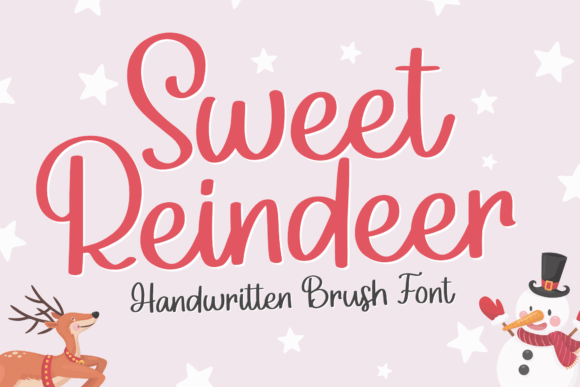
In the world of digital communication, a single typeface can transform a simple message into a warm, personal invitation. Sweet Reindeer is a sweet and beautiful handwritten font that does exactly that. Featuring characters that dance along the baseline, this font will add a cozy accent to any design project you wish to create, making it a valuable tool for designers seeking to inject personality and warmth into their work.
The Role of Expressive Typography in Modern Design
Typography is a cornerstone of effective visual communication. While clean, sans-serif fonts excel in clarity, a typeface like Sweet Reindeer serves a different purpose. It builds emotional connection and sets a specific tone. Its handwritten, flowing style suggests authenticity, approachability, and a human touch—qualities that are increasingly sought after in branding and digital marketing to stand out in a crowded, often sterile, digital landscape.
Choosing the right font is a strategic decision. It influences brand identity, user perception, and the overall visual hierarchy of a design. A font with a distinct personality, when used appropriately, can make a brand more memorable and its communications more engaging.
Practical Applications for Creative Projects
The versatility of a well-crafted handwritten font allows it to enhance a wide array of creative assets. Here’s how Sweet Reindeer can be effectively integrated into various design contexts:
- Branding and Logo Design: Ideal for brands that want to project a friendly, artisanal, or whimsical image. It works beautifully for logos, business cards, and stationery for bakeries, boutiques, florists, or lifestyle blogs.
- Marketing Materials: Use it in headers or call-to-action statements on flyers, posters, and brochures to draw the eye and add a personal touch to promotional content.
- Social Media Graphics: Its playful character makes it perfect for Instagram quotes, story highlights, and promotional banners, helping content feel more relatable and shareable.
- Website and UI Design: Best used sparingly in web design for headlines, navigation links, or accent text to avoid readability issues. It can soften the aesthetic of a corporate site or enhance the charm of a creative portfolio.
- Packaging Design: Excellent for product labels, tags, and packaging for artisanal goods, cosmetics, or gifts, where conveying handcrafted quality is key.
- Editorial Layouts: Can be used for pull quotes, subheadings, or feature titles in magazines, blogs, and digital publications to break the monotony of body text.
Tips for Selecting and Using Design Elements Effectively
Integrating a font like Sweet Reindeer into a professional design workflow requires thoughtful application. Consider these factors to ensure it enhances rather than hinders your project:
- Prioritize Readability and Scalability: Always test the font at different sizes. Highly decorative scripts are rarely suitable for body text. Use them for display purposes where their detail can be appreciated.
- Maintain Visual Hierarchy: Pair Sweet Reindeer with a simple, neutral font for body copy. This contrast creates a clear structure, allowing the handwritten font to highlight key information without overwhelming the viewer.
- Align with Audience and Brand Goals: Does the playful, cozy tone match your target audience's expectations? It’s perfect for family-oriented, creative, or lifestyle brands but may be less suitable for formal corporate or legal contexts.
- Ensure Compatibility: Check the font’s licensing for your intended use (web, print, merchandise). Also, verify it includes all necessary characters, numbers, and punctuation for your project.
- Consider Color and Composition: The font’s energy can be balanced with a calm color palette and clean layout. Let it be the star of the show in a focused area, supported by simpler design elements.
Thoughtful design is about making intentional choices that serve both aesthetic and communicative goals. Quality creative assets, like a distinctive typeface, are not just decorative tools; they are fundamental components that shape user experience and strengthen visual storytelling. By selecting resources that align with a project's core message, designers can craft more cohesive, professional, and impactful work that resonates deeply with its intended audience.