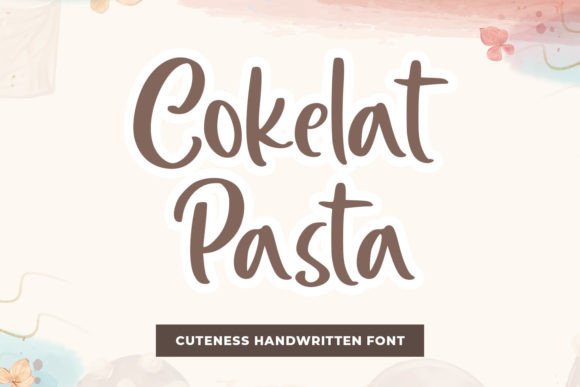
Cokelat Pasta: A Sweet Handwritten Font for Creative Design
In the crowded landscape of digital typography, finding a typeface that conveys genuine warmth and personality can be a challenge. Cokelat Pasta emerges as a solution, offering a sweet and adorable handwritten font with a quirky vibe that immediately injects character into any project. For designers, marketers, and creators seeking to break away from sterile, generic styles, this font provides a direct pathway to more engaging and human-centric visual communication. Its value lies in its ability to transform standard text into a memorable design element.
Understanding the Role of Distinctive Typography
Typography is a cornerstone of graphic design and brand identity. The right font does more than display words; it sets a tone, evokes emotion, and guides the viewer's experience. A handwritten style like Cokelat Pasta is particularly effective in contexts where authenticity, approachability, and a personal touch are paramount. It moves beyond mere legibility to create an emotional connection, making it a powerful tool in a designer's arsenal for specific applications.
Practical Applications for Modern Design Projects
The versatility of Cokelat Pasta allows it to enhance a wide array of creative assets. Its charming aesthetic makes it suitable for projects aiming for a friendly, whimsical, or artisanal feel. Consider integrating it into your design workflow for:
- Branding and Logo Design: Ideal for boutique businesses, cafes, craft brands, or any service wanting to project a down-to-earth and creative persona.
- Social Media Graphics: Captures attention in crowded feeds, perfect for quotes, announcements, and stories that require a personal voice.
- Packaging Design: Adds a handcrafted, artisanal quality to product labels, especially for food, cosmetics, or handmade goods.
- Editorial and Web Design: Can be used for headings, pull quotes, or accent text in blogs, magazines, and websites to create visual interest and break monotony.
- Marketing Materials: Enhances flyers, brochures, and digital ads for events, workshops, or products targeting a young or creative demographic.
Integrating Cokelat Pasta Effectively
While a playful font is a valuable creative asset, its effectiveness depends on strategic implementation. Here are key considerations for using Cokelat Pasta to achieve a polished and professional result:
- Prioritize Readability: Use it for short headlines, titles, or call-to-action elements rather than large blocks of body text. Ensure sufficient size and contrast against the background for clear legibility across devices and print.
- Maintain Visual Hierarchy: Pair Cokelat Pasta with a clean, neutral sans-serif or serif font for body copy. This contrast creates a clear hierarchy, allowing the handwritten font to stand out as a focal point without overwhelming the design.
- Align with Brand Voice: Evaluate if its quirky, sweet vibe aligns with your brand's personality and target audience. It excels in contexts that value creativity and warmth but may not suit formal or highly corporate communications.
- Test Scalability: Check its performance at various sizes, especially for responsive web design or small print applications like business cards or packaging.
Ultimately, the most successful designs are built on intentional choices that serve both aesthetic and communicative goals. Selecting a typeface like Cokelat Pasta is about more than just picking a pretty style; it's about choosing a tool that enhances your message and resonates with your audience. By thoughtfully incorporating quality creative assets into your projects, you elevate the overall design quality, strengthen brand perception, and create more meaningful connections through every visual touchpoint.