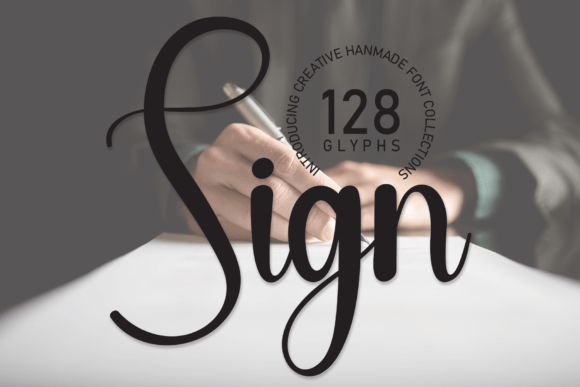
Sign: A Sweet Handwritten Font for Modern Design
Imagine a typeface that instantly feels like a personal note, adding a layer of warmth and authenticity to your project. That's the magic of Sign, a sweet handwritten font that brings a friendly and cute aesthetic to the table. In a digital landscape often dominated by sleek, impersonal sans-serifs, a font like Sign offers a valuable tool for graphic designers seeking to inject personality and human connection into their work. Its charming script style is more than just decorative; it serves as a strategic asset for creating effective visual communication that resonates emotionally with an audience.
The Role of Handwritten Fonts in Brand Identity
Typography is a cornerstone of brand identity, and choosing the right font can dramatically shape perception. A handwritten font like Sign communicates approachability, creativity, and sincerity. For brands aiming to project a friendly, artisanal, or personal image—whether in the wedding industry, for boutique businesses, or in lifestyle branding—Sign can become a recognizable part of their visual language. It helps strengthen brand identity by creating a distinct voice that stands out in crowded markets, from logo design to packaging.
Practical Applications Across Creative Projects
The versatility of a font like Sign extends across numerous design contexts. Its playful yet legible character makes it suitable for a wide range of applications where a fun touch is needed. Consider integrating it into your design workflow for:
- Marketing Materials: Elevate brochures, flyers, and posters with handwritten headlines that draw the eye and convey a campaign's friendly tone.
- Social Media Graphics: Create engaging posts, stories, and ads that feel personal and relatable, boosting user engagement in the fast-scrolling feed environment.
- Website and UI Design: Use it sparingly for call-to-action buttons, featured quotes, or subheadings to add a human element without compromising the overall user experience and readability of the interface.
- Editorial Layouts: Break up dense text in magazines, blogs, or digital publications with pull quotes or section titles set in Sign, adding visual interest and guiding the reader's eye.
- Packaging Design: For products like artisan foods, cosmetics, or gifts, Sign can enhance the unboxing experience, making the product feel more special and handcrafted.
Tips for Effective Typography and Design Integration
While a charming font is a powerful creative asset, its effectiveness hinges on thoughtful application. Always prioritize readability and visual hierarchy. A handwritten font like Sign is best used for short, impactful text—such as headings, logos, or callouts—rather than for long body paragraphs where clarity is paramount.
Evaluate its compatibility with your existing color palette and other typefaces. Pairing Sign with a clean, neutral sans-serif or serif font often creates a balanced and professional presentation. Consider your audience's expectations; a playful font might be perfect for a children's brand but less suitable for a corporate financial report. Test scalability across different mediums, ensuring it remains legible whether on a small mobile screen or a large printed banner.
Ultimately, the most successful designs are built on intentional choices. Selecting a typeface is not just about aesthetic preference but about aligning every visual element with your core message and design goals. A quality creative asset like the Sign font, when used strategically, does more than decorate—it enhances communication, fosters connection, and elevates the overall quality of your creative projects. By investing in thoughtful design resources, you empower yourself to produce work that is not only visually appealing but also deeply effective.