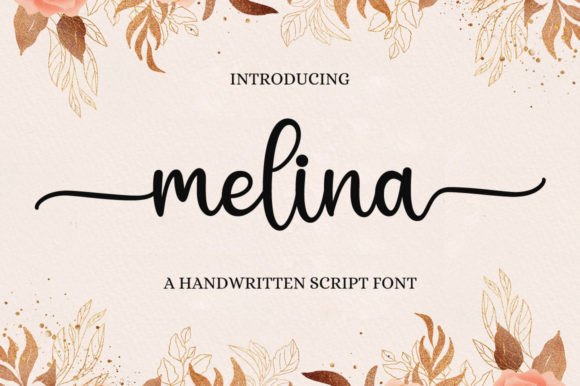
Melina: Elevate Your Visual Design with Elegant Typography
Understanding the Melina Typeface
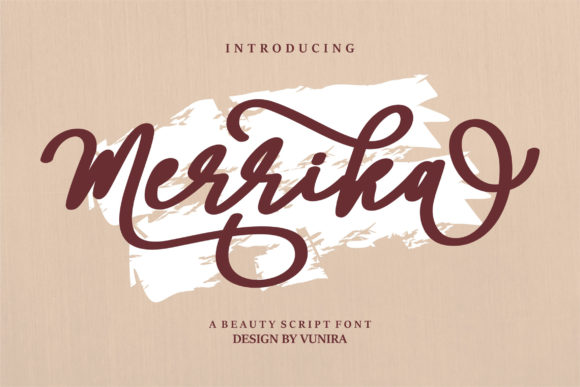
Melina is a lovely and timeless handwritten font. It is the best choice for creating eye-catching logos, branding, and quotes. In the realm of visual design, handwritten fonts serve a specific purpose: they break the sterile barrier of digital communication. Unlike rigid sans-serifs or overly formal serifs, a script like Melina introduces a human element, mimicking the authenticity of a signature or a handwritten note.
One of the most critical technical features of this typeface is its encoding. Melina is PUA-encoded, which means you can access all of the glyphs and swashes with ease!. This technical specification is vital for modern design workflows. It ensures that the font is not just a static set of letters but a flexible tool for customization, allowing creators to add flourishes and alternative characters without complex software workarounds.
Practical Applications in Branding and Marketing
Typography is a cornerstone of brand identity. When selecting creative assets, it is important to choose typefaces that align with the brand's voice. A font like Melina is particularly effective in industries that rely on personal connection, elegance, and creativity. Its aesthetic supports modern trends while maintaining a timeless quality.
Key Use Cases for Designers and Creators
- Logo Design: A well-crafted logo often combines a bold sans-serif with a delicate script. Melina works perfectly as the secondary font or the primary wordmark for boutique brands, wedding planners, and lifestyle blogs.
- Social Media Graphics: Engagement on platforms like Instagram and Pinterest often relies on visual hierarchy. Using Melina for quotes or call-to-action text can make specific elements pop, drawing the user's eye to the message.
- Packaging Design: Physical products benefit from tactile aesthetics. A handwritten style suggests artisanal quality, making it ideal for cosmetics, specialty foods, or stationery packaging.
- Web Design and UI: While body text requires high readability (usually sans-serif), headers and hero sections benefit from stylistic choices. Melina can be used for large headlines to set a mood without compromising the user experience (UX).
- Editorial and Print: In magazines or book covers, typography sets the genre. This font fits seamlessly into editorial design for lifestyle, fashion, or creative project features.
Integrating Typography into Your Design Workflow
Effective visual communication requires more than just installing a font; it requires strategy. When incorporating a script font like Melina into a project, designers must consider the broader context of the composition, including the color palette, imagery, and whitespace.
Tips for Effective Implementation
- Ensure Contrast: To maintain a clear visual hierarchy, pair Melina with a clean, neutral typeface. If the header is ornate, the body copy should be simple to ensure readability.
- Consider Scalability: Handwritten fonts are best used for larger text sizes. Test your design at various scales to ensure the swashes and ligatures remain legible on both mobile devices and large print formats.
- Use Swashes Wisely: Because Melina is PUA-encoded, you have access to extra glyphs. Use these flourishes to highlight the beginning or end of a word, but avoid overusing them, which can clutter the design and distract from the core message.
- Respect the Mood: Typography carries emotion. Ensure that the elegance of the script matches the subject matter. It is excellent for invitations and branding but may not suit corporate financial reports or technical documentation.
The Impact of Thoughtful Design Choices
In the end, the quality of a design lies in the details. Selecting the right creative resources, such as a versatile and well-encoded font, streamlines the design process and elevates the final result. Whether you are working on digital marketing assets, merchandise, or a complete brand overhaul, the typography you choose acts as the voice of your visual story. By prioritizing quality assets and thoughtful composition, designers can create work that is not only beautiful but also functional, resonating deeply with the intended audience.