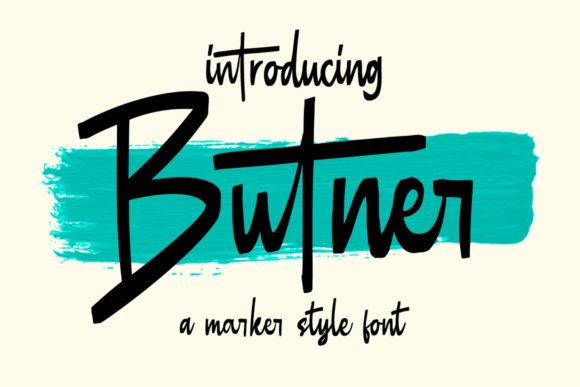
Butner: The Casual Handwritten Font for Authentic Design
Injecting Personality into Every Project
Imagine a typeface that feels like a friendly conversation, instantly breaking down the barrier between a brand and its audience. That's the power of a well-chosen casual handwritten font like Butner, a design asset that brings an authentic, human touch to any visual project. In a digital landscape often dominated by sterile sans-serifs and rigid serifs, Butner offers a delightful alternative, providing the warmth and approachability needed to create memorable connections.
This font is more than just a set of quirky letters; it's a strategic tool for effective visual communication. Its inherent informality makes it incredibly versatile, adept at fitting into a wide variety of contexts where a personal, handcrafted feel is desired. From branding to social media, Butner helps translate a brand's personality into a tangible visual element that resonates with viewers on an emotional level.
Practical Applications Across the Design Spectrum
The true value of a creative asset lies in its application. Butner excels in numerous areas of graphic design and marketing, serving as a cornerstone for projects that prioritize relatability and charm. Its casual script style can soften corporate tones, add whimsy to children's products, or lend authenticity to artisanal brands.
Consider these practical uses for integrating this handwritten font into your workflow:
- Branding & Logo Design: Use Butner for wordmarks or taglines to establish a friendly, approachable brand identity, perfect for cafes, boutiques, or lifestyle blogs.
- Marketing Materials: Create eye-catching headlines on flyers, brochures, or email headers that feel personal and engaging, boosting open rates and reader interest.
- Social Media Graphics: Craft compelling quotes, announcements, or promotional posts that stand out in crowded feeds, enhancing user engagement with a human touch.
- Website & UI Design: Implement it for accent text, button labels, or hero section callouts in web design to guide user experience with friendly, intuitive cues.
- Packaging & Editorial Design: Add handcrafted appeal to product labels or magazine layouts, making the unboxing experience or the reading journey feel more special.
Strategic Selection and Effective Use
Choosing the right font is a critical decision in the design process. When evaluating a typeface like Butner, consider its role within your overall visual hierarchy. It's typically best suited for headlines, pull quotes, or accent text rather than long body paragraphs, where readability at small sizes is paramount. Always test how it pairs with your primary font—a clean sans-serif or a simple serif can provide the perfect counterbalance, ensuring your message remains clear and professional.
Furthermore, think about your audience and design goals. A casual handwritten font communicates specific values: creativity, warmth, and authenticity. Ensure this aligns with your brand's voice. For instance, a financial institution might use it sparingly for a campaign, while a craft brewery would find it a natural fit for its entire visual identity. Scalability is also key; ensure the font renders crisply across all intended mediums, from large-format print design to small mobile screens.
Ultimately, the most successful designs are those where every element, from color palette to typography, works in harmony to tell a cohesive story. Thoughtfully selected creative assets like Butner do more than just look good—they become integral to how a message is perceived and remembered. By prioritizing fonts that align with your brand's personality and your audience's expectations, you elevate your work from merely functional to truly compelling, ensuring your visual communication is both beautiful and effective.